
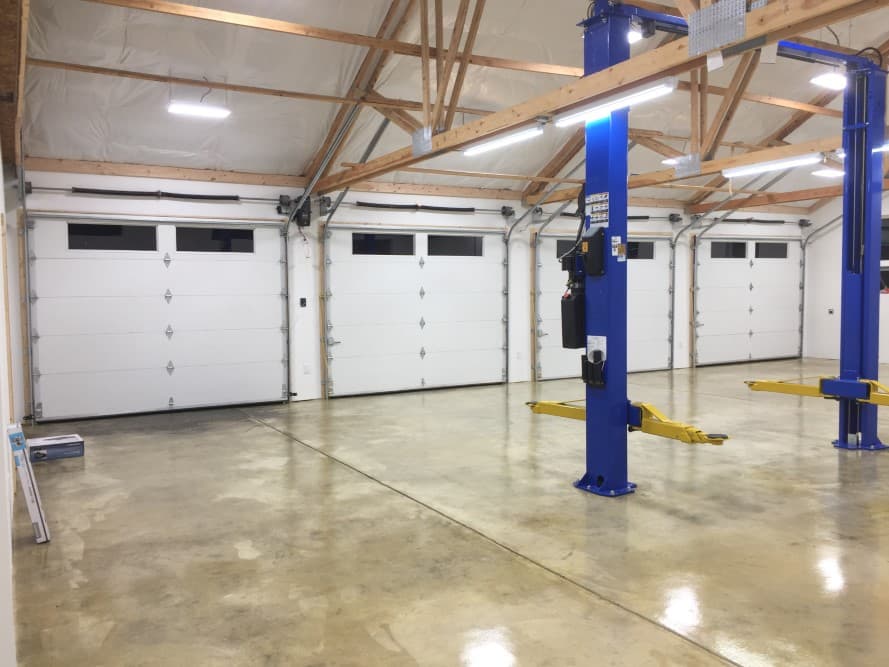
A freshly coated garage floor can look dry within hours, but the surface is still changing beneath the sheen. Many homeowners and contractors plan projects around a weekend, expecting quick turnaround times. The tension begins when the floor feels firm but is not ready for traffic. Understanding the difference between garage floor epoxy dry time and full cure helps set realistic expectations and protects the investment from preventable damage.
Epoxy Drying vs. Curing Process: Understanding the Difference
Epoxy coatings cure in stages. Drying means the surface is no longer wet. Curing means the material has hardened throughout and reached full strength. Knowing the difference helps prevent early traffic or heavy loads from damaging a floor that still needs time to set.
How Long Does Epoxy Floor Take to Dry?
How long does an epoxy floor take to dry? In most garage environments around 70°F, epoxy is dry to the touch in 6 to 12 hours. The surface will no longer feel tacky and will not transfer to your finger. However, it is still soft beneath the surface and not ready for traffic or weight. Cooler temperatures, high humidity, limited airflow, or thicker applications can extend this window beyond 12 hours. Plan for at least an overnight dry time before stepping on the floor.
How Long Does it Take for Epoxy to Cure?
Most garage floor epoxy systems cure enough for light foot traffic in 48 to 72 hours. Full cure, including maximum hardness, chemical resistance, and load capacity, typically takes 5 to 7 days. Vehicles and heavy equipment should stay off the surface until the full cure window has passed. Lower temperatures can slow the chemical reaction and extend curing time. Entering the space too soon can leave tire marks, dents, or surface damage that cannot be reversed.
Garage Floor Epoxy Dry Time Timeline: What to Expect
Once dry time and cure time are clear, the next question is timing in real-world conditions. Most garage floor epoxy projects follow a predictable pattern when temperature and prep are within range. Knowing what happens at each stage helps prevent rushed decisions that can affect long-term durability.
6-12 Hours: Dry to the Touch
Within 6 to 12 hours, the epoxy is typically dry to the touch. The surface will feel firm and no longer tacky. At this point, dust is less likely to stick, but the coating is still soft beneath the surface and continuing its internal chemical reaction. Avoid walking on it, dragging tools, or placing objects on the floor. Even light pressure, kneeling, or setting down small items can leave noticeable surface impressions that remain visible after full cure and result in permanent cosmetic damage.
18-24 Hours: Light Foot Traffic
After 18 to 24 hours, many epoxy systems can handle light foot traffic in socks or clean, soft-soled shoes. This stage allows careful inspection or limited access to the space. Heavy steps, sharp objects, or shifting ladders can still cause marks. If temperatures are below 70°F, extend this window. Patience during this phase helps prevent scuffs that are difficult to correct later and protects gloss, texture consistency, and long-term coating durability from avoidable early wear.
48-72 Hours: Move-In or Re-Entry
Between 48 and 72 hours, the floor has gained significant strength. Cabinets, shelving, and light equipment can often be moved back in carefully. Use caution when sliding items and consider placing protective pads under heavy legs. While the coating feels solid, it is still building hardness and chemical resistance. Spills should be cleaned gently, and harsh cleaners should be avoided during this period to prevent dulling, staining, or premature wear that could affect the coating’s final appearance and performance.
5-7 Days: Full Cure – Ready for Vehicles
Between days 5 and 7, most garage epoxy floors reach full cure under normal conditions. The coating has developed maximum hardness and resistance to hot tire transfer, chemicals, and vehicle weight. Performance at this stage varies by formula, which is why many contractors compare systems like HellFire® to other well-known options before selecting a coating. Parking a car before full cure risks tire marks or surface distortion. Cooler temperatures can extend cure time beyond seven days, so always factor in ambient conditions when planning vehicle return.
Factors That Affect Epoxy Drying and Curing Time
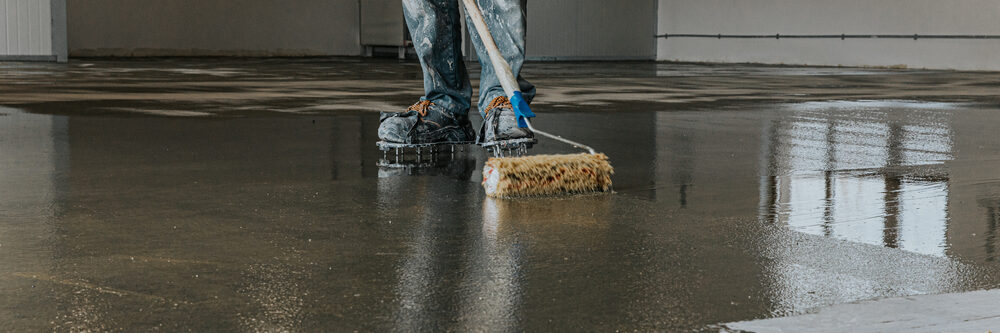
Several variables influence how quickly a coating dries and fully cures. Even small shifts in conditions can extend the timeline.
- Surface preparation: Poor concrete prep can trap moisture or contaminants, slowing cure time and affecting adhesion.
- Humidity levels: High humidity can slow evaporation and surface set.
- Temperature: Most polyurea and epoxy coatings perform best around 60–85°F. Cooler air and slab temperatures delay the chemical reaction.
- Coating thickness: Heavier applications take longer to dry and harden.
- Moisture in the slab: Excess moisture vapor transmission from the concrete can interfere with curing and weaken long-term bond strength.
- Airflow: Limited ventilation can extend dry time indoors.
Managing these factors keeps the timeline predictable and protects long-term coating performance.
Common Curing Mistakes to Avoid
Even experienced installers can shorten a floor’s lifespan by rushing the curing window. Avoid these common mistakes:
- Parking too soon: Driving onto the surface before full cure can cause hot tire pickup or surface distortion.
- Closing the garage too tightly: Limited airflow and ventilation can slow curing, especially in cooler weather.
- Applying too thickly: Heavy coats trap heat and extend cure time.
- Ignoring product-specific timing: A HellFire® floor coating may have different cure characteristics than a Nohr-S® polyurea coating, so always follow the technical data sheet.
Patience during curing protects appearance, bond strength, and long-term durability.
Ready to Start? Explore Products and Expert Support
Planning around realistic cure times sets the foundation for a durable garage floor. Legacy Industrial offers professional-grade epoxy and polyurea systems designed for long-term performance in residential and light commercial spaces. If questions come up about timing, prep, or product selection, connect with our team for project-specific recommendations. For common installation questions, review our FAQs for additional clarity.
When you are ready, request a personalized quote or place your order online with confidence, knowing that the right preparation and patience lead to lasting results.