Concrete floors often carry the marks of daily use, with subtle variations in tone that deepen over time. Some finishes mask those details, while others leave results that feel inconsistent or patchy. That tension between wanting character and needing control can slow a project down. A more measured staining approach brings both into balance, turning a plain slab into a surface that feels intentional and well-finished, especially when you start by exploring products and kits by application.
What You’ll Need Before You Start
A successful staining project begins with having the right materials ready before any work begins. Most setups include a pump sprayer or roller, a brush for edges, and cleaning supplies to remove dirt, oil, or residue.
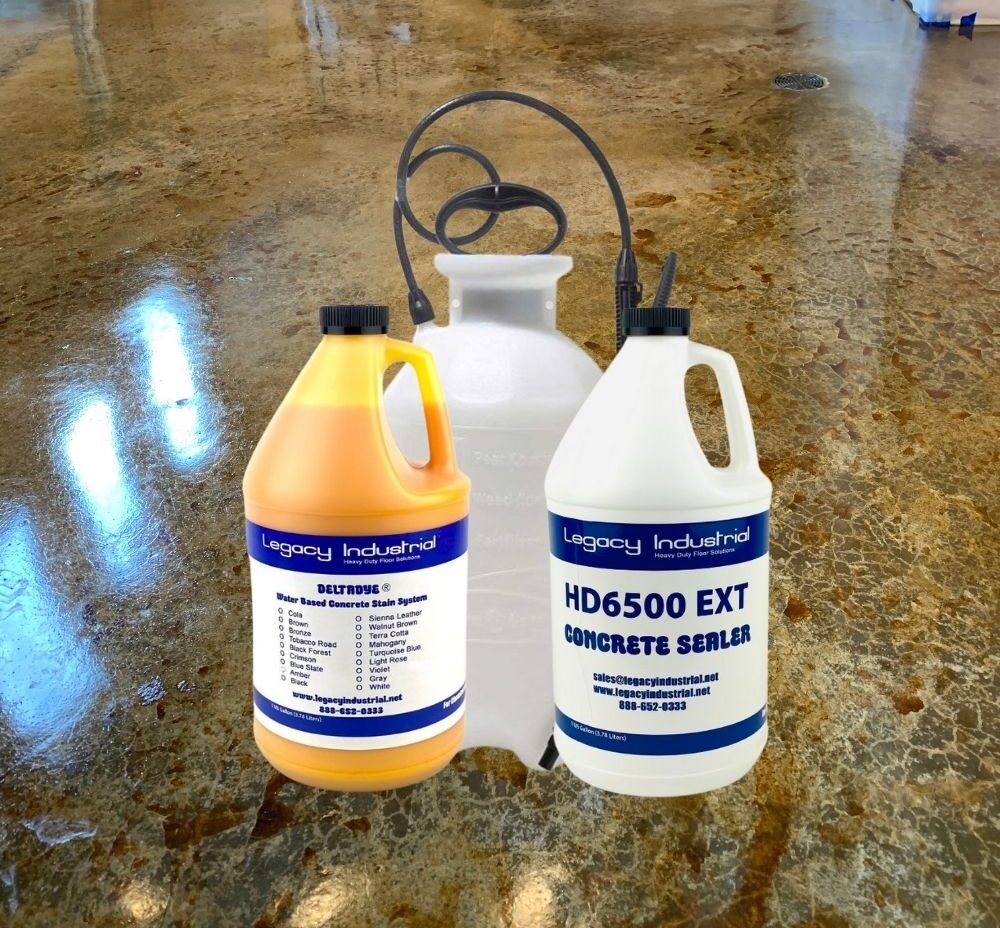
A quality stain is just as important, and many contractors and homeowners start by reviewing available concrete stains and dyes to find a color and finish that fits the space. For consistent, controlled results, products like DeltaDye® concrete stain are formulated to absorb evenly and highlight the natural character of the surface.
You will also want a compatible sealer on hand to protect the finished floor once staining is complete, along with proper safety gear like gloves and eyewear, especially when using a water-based concrete stain and sealer system.
Key Steps for Using Water-Based Stain for Concrete Flooring
Step 1: Prepare the Concrete Surface
Proper concrete coating preparation sets the foundation for how evenly the stain absorbs and how consistent the final appearance looks, helping avoid blotchy or uneven color results later.
Clean the Concrete Thoroughly
Start by removing all dirt, grease, and surface contaminants using a concrete cleaner or degreaser. Any residue left behind can interfere with stain absorption, leading to uneven color and visible imperfections across the finished floor.
Etch or Mechanically Profile the Surface
Once the surface is clean, it needs a profile that allows the stain to penetrate properly. This can be done with a concrete etching solution or mechanical grinding, both of which open the pores and create a more receptive surface.
How to Check If Your Concrete Is Ready to Accept Stain
A simple way to test readiness is by sprinkling water across the surface. If it absorbs quickly and evenly, the concrete is ready. If it beads up or sits on top, additional prep is needed.
Letting the Surface Dry Completely
After cleaning and profiling, the surface needs time to dry fully. Any remaining moisture can affect how the stain penetrates, leading to inconsistent color and reduced overall performance.
Step 2: Apply the Water-Based Concrete Stain
With the surface fully prepared, the focus shifts to applying the stain evenly. This step determines color depth, variation, and how well the finish reflects the intended look when working with water-based stains for concrete.
Choosing Your Application Method (Sprayer vs. Roller vs. Brush)
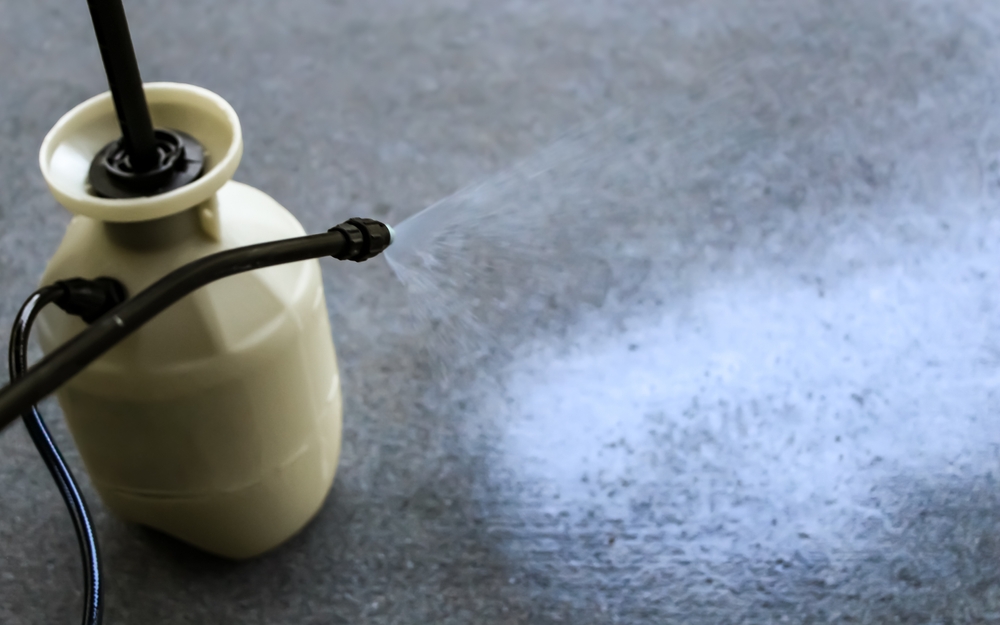
The application method affects how evenly the stain is distributed across the surface. Sprayers create a more natural, variegated look, while rollers and brushes offer greater control in smaller or more detailed areas.
How to Apply the First Coat
Apply the first coat in thin, even passes, working in a consistent pattern to avoid overlap marks. Keeping a wet edge helps maintain uniform coverage and prevents visible lines or uneven tone across the surface.
Applying a Second Coat for Deeper, Richer Color
Once the first coat has dried, a second application can deepen the tone and enhance color consistency. Apply lightly and build gradually to avoid oversaturation or creating areas that appear darker than intended.
Blending Multiple Colors for a Variegated Effect
For a more natural, dimensional look, multiple stain colors can be layered or lightly blended. Applying colors in irregular patterns helps create variation, giving the concrete a more textured and visually interesting finish.
How Long Does Water-Based Stain Take to Dry?
Dry times can vary based on temperature, airflow, and surface conditions, but most water-based stains dry to the touch within a few hours before additional coats or sealing can begin.
Step 3: Seal and Protect the Stained Concrete
Once the stain has dried, sealing locks in color and adds protection, helping the surface hold up under daily use and exposure.
Why Sealing Is Non-Negotiable
Stain alone does not protect the surface from wear, moisture, or spills. A proper sealer helps preserve the color, adds durability, and creates a barrier that holds up under regular use.
Best Sealers for Interior Stained Concrete
For interior floors, Cali-Clear WB Urethane is often considered the best water-based concrete stain companion for adding protection without a heavy odor. Its low-VOC formula, high-gloss finish, and urethane durability help preserve color while standing up to foot traffic in garages, basements, and living spaces.
Best Sealers for Exterior or High-Traffic Stained Concrete
For exterior surfaces or high-traffic areas, HD6500-EXT concrete sealer is a reliable option. It resists moisture, salt, and oil exposure, making it well-suited for foot traffic applications like patios, walkways, and sidewalks. However, it is not designed for tire traffic.
For driveways or areas exposed to vehicle traffic, a more durable solution like the HD6600-MMA concrete sealer is recommended. It is built to handle tire traffic and performs well in both indoor and outdoor environments where long-term durability and chemical resistance are critical.
How to Apply the Sealer
Apply the sealer in thin, even coats using a roller or sprayer. Work in controlled sections to maintain consistency and avoid buildup or visible streaking across the surface.
Recoat Windows and Cure Times
Follow recommended recoat windows to maintain proper adhesion between layers. Full cure times vary, but limiting traffic early helps protect the finish and maintain a consistent appearance.
Common Mistakes to Avoid When Applying Water-Based Concrete Stain
Even small missteps during the staining process can lead to uneven results or reduced durability over time. Skipping proper surface prep often causes inconsistent absorption, while applying too much stain at once can create blotchy or overly dark areas.
Working in poor conditions, such as high humidity or extreme temperatures, can also interfere with drying and performance. In some cases, overlooking factors tied to a temperature-resistant concrete coating approach can lead to premature wear, especially in garages or exterior spaces.
Failing to apply a compatible sealer at the end leaves the surface exposed and more prone to damage from daily use.
Ready to Stain Your Concrete Floor? Start with the Right Products
A well-finished floor comes down to following each step with care, from preparation through sealing. Legacy Industrial offers professional-grade stains like DeltaDye® concrete stain and complete systems such as the DeltaDye® Concrete Stain Kit, along with sealers and support to help you move forward with confidence. If questions come up or you want help selecting the right system, contact us for personalized guidance on how to apply water-based stain and move forward with confidence.