
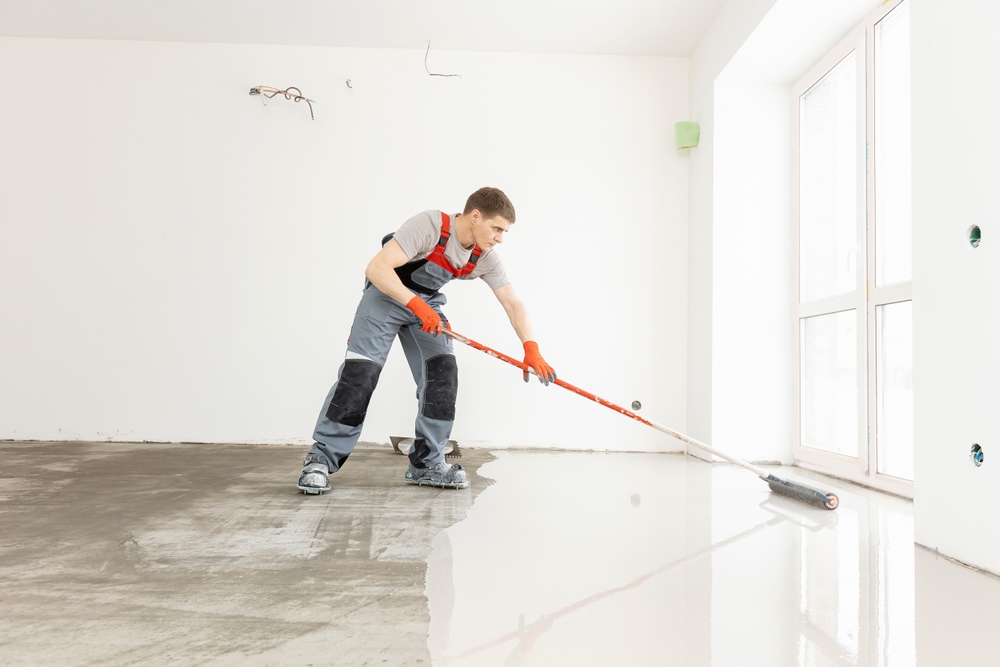
Garage floors deal with constant stress. Hot tires, road salt, moisture, and impact all wear down bare concrete over time. When it’s time to install a high-performance coating, many homeowners compare polyurea vs polyaspartic systems or even look at polyaspartic vs polyurea floor coating guides to decide what will hold up best.
Both are known for strength and fast cure times. The key consideration is how each performs in a real garage and which system will last longer under daily use.
What Is Polyurea Garage Floor Coating?
Polyurea floor coating is a high-performance concrete coating known for strength, flexibility, and rapid curing. In garage environments, it bonds tightly to properly prepared concrete and holds up to impact, vehicle traffic, and seasonal temperature swings. The quick return-to-service appeals to homeowners who want minimal downtime and a floor that stands up to day‑to‑day use.
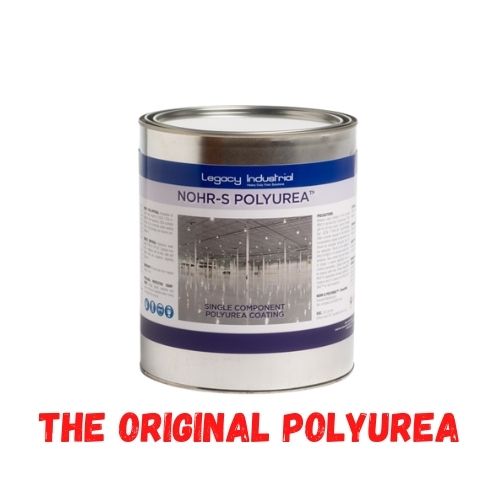
Legacy Industrial’s Nohr-S® Polyurea is engineered for demanding residential and light commercial floors, forming a dense surface built for long-term durability in active garages across varied climates and heavy daily use. For customized finishes, Nohr-S® Polyurea pigment pack creates consistent, integrated color across the system while maintaining uniform performance throughout the floor.
What Is Polyaspartic Floor Coating?

Polyaspartic floor coating is a type of polyurea technology with extended working time and strong UV stability. In garage applications, it creates a hard, glossy surface that resists fading and ambering, even in spaces with frequent sunlight exposure through open doors or windows. It also cures quickly, so projects can move efficiently from prep to full use in busy households.
Legacy Industrial’s Xtreme-66™ Polyaspartic is formulated for durability and clarity and is often used as a protective top layer in high-performance systems. PolyTop IV Polyaspartic is another advanced option, valued for its smooth finish and long-term wear resistance in residential and light commercial garages with regular vehicle traffic.
Polyurea vs Polyaspartic: Key Differences for Garage Floors
A side-by-side comparison helps clarify performance differences that matter in everyday garage use.
Cure Time
Polyurea cures extremely fast, reducing installation time but limiting working time. Polyaspartic also cures quickly but allows slightly more working time.
UV Stability
Polyurea can amber in direct sunlight. Polyaspartic is more UV stable, which makes it a strong topcoat choice in sun-exposed garages.
Flexibility and Impact Resistance
Polyurea is generally more flexible, which helps it handle minor slab movement and heavy impact.
Heat and Climate Performance
Both perform well in temperature-extreme environments when properly formulated and installed.
Many professional systems use polyurea and epoxy coatings as base layers, then add polyaspartic as a clear or pigmented top layer for additional surface protection and clarity.
Which Is Better for Your Garage Floor?
Both coating types can perform at a high level. The better fit depends on sunlight exposure, slab condition, installation timeline, and expectations for long-term wear. The system you choose affects durability, appearance, and how well the floor stands up over time.
Choose Polyurea If:
Polyurea often works best for garages that need flexibility and strength below the surface. It does well in environments with slab movement, temperature swings, and heavier vehicle use. Because it penetrates and bonds tightly to prepared concrete, it creates a resilient foundation designed for long-term performance in active residential and light commercial settings with consistent vehicle loads.
Situations where polyurea is often a smart choice:
- The garage experiences freeze-thaw cycles.
- Minor slab cracks or active joints are present.
- Fast return-to-service is important.
- A strong, resilient base layer is the main priority.
Where joint stability is a concern, combining the system with an XS-Polyurea joint filler can help keep performance consistent across repaired areas and saw cuts while managing stress at expansion points over time.
Choose Polyaspartic If:
Polyaspartic tends to be the top pick in garages where surface appearance and UV stability rank at the top of the list. It performs especially well in spaces with frequent sunlight, helping maintain long-term gloss and color clarity without obvious ambering. Used as a top layer, it forms a dense, smooth surface that stands up to abrasion, road salts, and common automotive fluids.
Situations where polyaspartic is often the better fit:
- The garage receives frequent sunlight exposure.
- Long-term color stability matters.
- Decorative flake finishes are part of the design.
- A durable, glossy topcoat is preferred.
As part of a full system, polyaspartic adds surface protection that boosts wear resistance while keeping a clean, professional finish over time in both residential and light commercial garages with consistent vehicle traffic.
Why Many Professional Systems Use Both
When people compare polyurea and polyaspartic, the most effective answer in many garages is a combination of the two. High-performance systems often rely on each material where it does its best work. A polyurea base coat bonds tightly to the prepared concrete and adds flexibility at the slab level. A polyaspartic layer then goes down as one of the final topcoats to raise UV stability, surface hardness, and long-term gloss retention.
This layered approach builds durability from the slab upward. Rather than relying on one coating to do everything, the products work together to manage impact, sunlight exposure, chemical contact, heavy tool use, and daily vehicle traffic. The result is a balanced performance that holds up through changing seasons and long-term residential wear in demanding garage environments.
Factors That Matter More Than the Product Itself
Chemistry plays a big role in coating performance, but the way the floor is prepared and installed often has even more influence on how long a system lasts. Even the best materials can fail early if the slab is not profiled correctly, if moisture issues remain unresolved, or if mix ratios and spread rates are off.
Key process details include:
- Proper concrete coating preparation, including grinding and cleaning
- Moisture testing before installation
- Correct film thickness across each layer
- Suitable curing conditions during application
A well-prepared slab sets the stage for strong adhesion and long-term durability. Skipping steps or rushing the prep phase can shorten the life of a high-end system. In many garages, the gap between a floor that lasts for years and one that begins to fail early comes down to disciplined preparation, accurate product selection, and careful application under the right site conditions with appropriate environmental controls.
Let Legacy Industrial Help You Choose the Right System
Choosing between polyurea and polyaspartic is really about building a system that fits how your garage is used. Traffic levels, sunlight exposure, slab condition, and expectations for longevity all shape the best recommendation. A thoughtfully designed floor balances flexibility, UV stability, surface protection, and sound installation practices from start to finish.
Legacy Industrial focuses on pairing professional-grade coatings with clear, step-by-step guidance so homeowners and contractors can move forward with confidence.
If you are weighing options for your project, reach out to discuss your garage conditions and get a tailored recommendation aimed at long-lasting performance.