
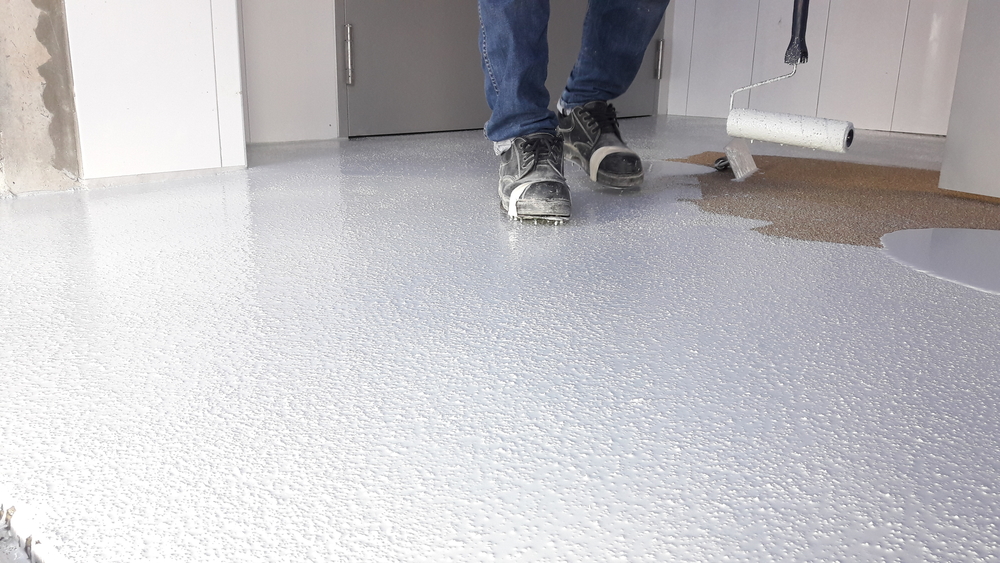
Simiron SimFlake SB and the Legacy Industrial Nohr-S® Polyurea Full Flake Kit are both professional-grade flake systems for garage floors. Both build the floor in layers: a pigmented basecoat that receives the flake, a decorative flake broadcast, and clear protective topcoats.
The biggest difference between the two systems is the clock. Every liquid coat in the Simiron system is a two-component product with a short working window once mixed — the basecoat must be applied and broadcast within about 15 minutes, and the polyaspartic topcoat within 10–15 minutes of mixing, per Simiron’s system guide. The Nohr-S® system finishes with two coats of Nohr-S® single-component polyurea — no resin-to-hardener ratio, unlimited pot life in the can, and a forgiving recoat window. For DIY homeowners and small contractors, that difference changes how the entire second half of the project feels.
Many buyers begin by comparing colors and decorative chip blends, but installation success usually comes down to surface preparation, batch management, and the topcoat schedule. Looking at the complete system helps explain which option best fits different project goals and experience levels.
Simiron vs. Legacy Industrial Nohr-S®: Quick Comparison
If you’re also weighing polyurea vs. epoxy more broadly, it helps to know that both of these kits use a hybrid approach: a basecoat engineered to hold flake, protected by advanced clear topcoats. Here is how they compare at a glance (Simiron figures from Simiron’s SimFlake SB 1-Day Polyurea System Guide, 07/2024).
| Feature | Simiron SimFlake SB (1-Day Polyurea) | Nohr-S® Full Flake Kit |
|---|---|---|
| Basecoat | Two-part polyurea, 2:1 base-to-activator mix; apply and broadcast within ~15 minutes of mixing | Two-part pigmented HD Epoxy, 2:1 mix; ~30-minute working time |
| Flake broadcast | Broadcast into a 6–8 mil film; 1/8″ flakes recommended for best results | Full wall-to-wall broadcast; genuine Torginol® ColorFlakes blends in 1/4″, 1/2″, or 1/8″ |
| Clear coat | Two-component Polyaspartic HS, 1:1 mix; apply within 10–15 minutes of mixing | Single-component Nohr-S® polyurea — no mixing ratio, two coats included |
| Clear coat pot life | Working clock starts at mixing; tie-ins between mixes within 5–10 minutes to avoid visible lines | Unlimited in the can; gentle stir and roll |
| UV stability | UV-resistant polyaspartic topcoat; polyurea basecoat yellows over time where not covered by flake | UV-stable polyurea |
| Surface prep | CSP-3 or greater profile | CSP-2 profile |
| Best fit | Experienced crews comfortable working on a batch clock | DIYers and small contractors who want a simpler, more forgiving install |
The finished floors can look comparable. The installation experience — especially during the clear coats, where the floor’s final appearance is decided — is where the systems separate.
What’s Actually in Each System
A full flake floor is a system, not a single product. Judging either kit by one layer misses how the layers work together.
The Nohr-S® Polyurea Full Flake Kit includes:
- A pigmented HD Epoxy receiver coat engineered to hold a wall-to-wall flake broadcast
- Genuine Torginol® ColorFlakes blends — Terrazzo, Hybrid Stone, and Marble looks in 1/4″, 1/2″, or 1/8″ flake sizes
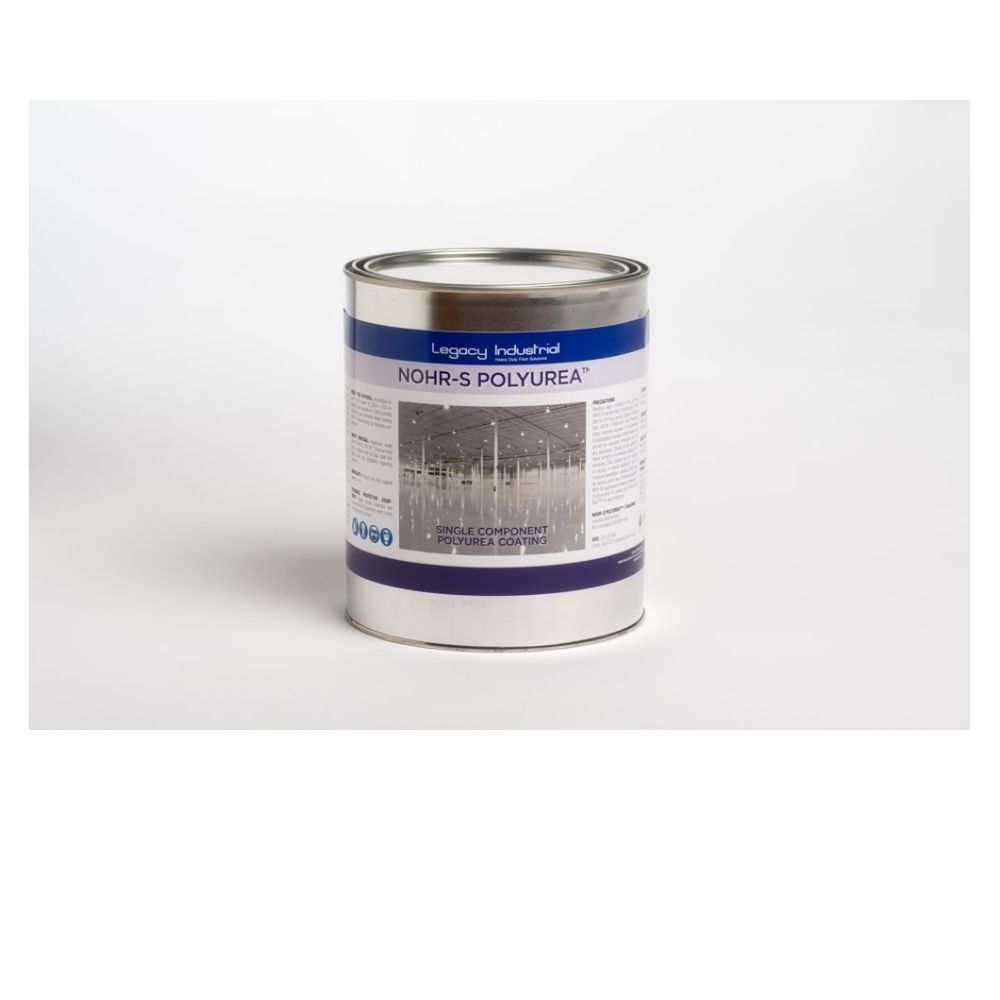
- Enough Nohr-S® single-component polyurea for two full clear topcoats
- Optional anti-skid additive for extra traction
Basecoat and Flake Broadcast: What to Expect
Here’s the honest part of this comparison: both systems use a two-component basecoat that is mixed before application, and both reward good planning. The difference is how much time you get.
The Nohr-S® kit’s epoxy receiver coat mixes at a simple 2:1 ratio — one full 2-gallon Part A into one full 1-gallon Part B, blended for about three minutes with a drill and mixing wand. It has a working time of roughly 30 minutes, so the technique is straightforward: pour the mixed material onto the floor in ribbons right away and work it from the floor with a 3/8″ nap roller, never from the bucket. A 3-gallon unit covers approximately 525–550 sq. ft. Broadcast the flakes into the wet epoxy as you go, or roll out the full floor and walk it in spike shoes to broadcast afterward.
Simiron’s polyurea basecoat also mixes at 2:1 (base to activator), but its guide instructs installers not to mix more material than can be applied and broadcast within about 15 minutes before it stiffens — roughly half the working window — and because the flake lands in a thinner 6–8 mil film, Simiron recommends limiting the broadcast to 1/8″ flakes. If you want the chunkier look of 1/4″ or 1/2″ blends, the thicker Nohr-S® receiver coat is built for it.
The Clear Coat Difference: Where Nohr-S® Simplifies the Job
The clear coats are the layers you see, walk on, and park on every day — and they’re where these two systems genuinely diverge.
- Simiron: Polyaspartic HS is a two-component product mixed 1:1. Once base meets activator, the guide allows 10–15 minutes to get the material down, and recommends keeping tie-ins between one mix and the next within 5–10 minutes to avoid visible texture differences.
- Nohr-S®: A true single-component polyurea. There is no resin-to-hardener ratio to measure and no batch clock — the coating stays workable in the covered can until you apply it. Give it a gentle stir, pour it into a tray, and roll it out with a 3/8″ nap roller using a dip-and-roll method.
For a first-time installer, that removes the most common failure points of the finish stage: mis-measured components, material stiffening in the bucket mid-application, and visible tie-in lines between batches.
The schedule is forgiving, too. The second Nohr-S® clear coat goes on 2–4 hours after the first (once it’s no longer tacky), with up to 12 hours before any additional prep is needed. An optional third coat within the same window produces a higher-sheen, less-textured finish.
Durability and Long-Term Floor Protection
A polyurea garage floor coating should keep performing long after installation weekend. Durability depends on the whole stack — surface preparation, basecoat adhesion, and the clear coats that take the daily abuse.
The Nohr-S® clear topcoat is UV stable, so it resists the yellowing that plagues standard epoxy clears in sunlit garages. It offers excellent resistance to hot-tire lift — the classic failure mode of budget coatings — and its chemistry is roughly 100% more flexible than epoxy while testing about 20% stronger, which is exactly what you want in the layer that absorbs impacts, tire heat, and dropped tools. Simiron’s polyaspartic clear is also a UV-resistant, professional-grade finish; one detail worth noting from Simiron’s own guide is that its polyurea basecoat will yellow over time, so any spots not fully covered by flake will discolor — another reason full, even flake coverage matters in that system.
- Before the weekend: Grind and prep the concrete so any surprises are resolved before coating day.
- Friday night: Mix and roll the epoxy receiver coat; broadcast flake to full coverage.
- Saturday morning: Blow off and sweep the excess flake, then lightly sand with a pole sander and 80-grit screen.
- Saturday, late morning: Roll on Nohr-S® clear coat #1. Apply clear coat #2 about 2–3 hours later.
- Sunday: Light foot traffic is fine (about 6 hours after the final coat at 70°F).
- 5–7 days: Fully cured for vehicle traffic.
Simiron’s system is engineered for speed — it’s marketed as a 1-day install — which is a genuine advantage for professional crews who can move fast. The tradeoff is that every stage of that day runs on a 10–15 minute batch timer.
Surface Preparation Still Decides Everything
No coating system survives poor prep. Before installing either kit:
- Run a moisture test. Tape a 4′×4′ plastic sheet to the slab for 24 hours. If moisture appears underneath, address it first — a moisture vapor barrier primer is cheap insurance compared to a disbonded floor.
- Mechanically profile the concrete. For the Nohr-S® kit, diamond grind, shot blast, or properly acid etch to a CSP-2 profile (Simiron’s system requires a more aggressive CSP-3 or greater). Diamabrush-style grinders are available to rent at big-box stores; always run a vacuum for dust.
- Coat only clean, dry concrete. All oil, dust, and laitance must be gone before the basecoat goes down.
If you’re new to this step, our guide on how to prep a concrete floor walks through it in detail.
Which Garage Floor Coating System Is Right for You?
Both systems can produce a durable, professional-grade floor when installed correctly. Simiron SimFlake SB may fit experienced installers and crews who value a 1-day schedule and are comfortable managing two-component products on a short batch clock through every stage. The Nohr-S® Polyurea Full Flake Kit appeals to DIY homeowners and small contractors who want the process — especially the finish coats everyone sees — to be as simple and forgiving as possible: no mixing ratios on the clears, no batch clock, larger flake options, and a schedule that fits a normal weekend.
If the project extends beyond the garage to patios, walkways, or other outdoor concrete, the Nohr-S® Polyurea Full Flake Exterior Kit is designed specifically for those environments.
Frequently Asked Questions (FAQ)
Is the Nohr-S® Full Flake Kit easier to install than the Simiron system?
Both basecoats are two-component products applied with a roller, but the Nohr-S® epoxy receiver coat allows roughly 30 minutes of working time versus about 15 for Simiron’s polyurea basecoat. The bigger difference is the clear coats: Nohr-S® is a single-component polyurea with no resin-to-hardener ratio and unlimited pot life in the can, while Simiron’s polyaspartic must be mixed 1:1 and applied within 10–15 minutes.
Does the Nohr-S® Full Flake Kit require mixing?
The pigmented epoxy receiver coat is a two-part product mixed at a 2:1 ratio for about three minutes before application. The Nohr-S® clear topcoats need only a gentle stir — no second component, no measuring.
How long does the Nohr-S® system take to cure?
At around 70°F, the epoxy basecoat is ready for flake removal and clear coats in 10–12 hours; the second clear coat goes on 2–4 hours after the first; the floor accepts light foot traffic about 6 hours after the final coat; and vehicles can return after a full 5–7 day cure. Temperature and humidity affect these times, so always follow the technical data sheet for your conditions.
Can these systems be installed in residential garages?
Yes. Both Simiron SimFlake SB and the Nohr-S® Full Flake Kit are designed for residential garage floors over properly prepared concrete. The better choice depends on your comfort level with two-component products, the flake size you want, and how much scheduling flexibility you want during installation.